Shielding Your Health: The Dangers of Mycotoxin-Related Diseases
Discover the dangers of mycotoxin-related diseases and learn how to protect your health with expert prevention strategies from The Mould Group.
Understanding Airborne Mycotoxins and Their Impact on Health
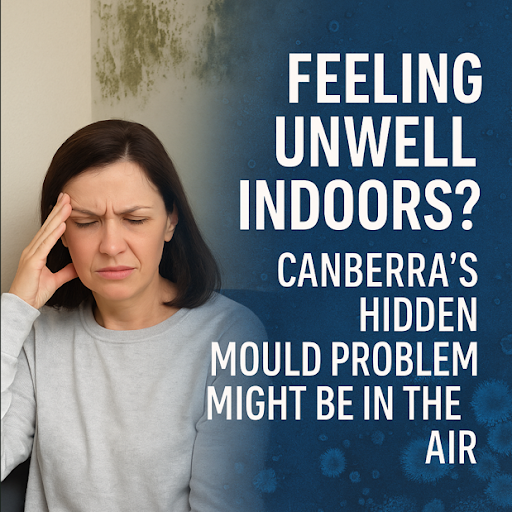
Mycotoxins are toxic compounds produced by moulds, and while many people associate them with contaminated food, our experience at The Mould Group has shown that airborne mycotoxins present an equally severe and often overlooked risk. These invisible toxins can circulate through indoor environments, particularly in damp or poorly ventilated buildings, posing long-term health threats when inhaled.
Airborne mycotoxins are often produced by moulds such as Aspergillus and Fusarium, thriving in water-damaged structures and HVAC systems. When disturbed, spores and mycotoxins become aerosolized, making their way into the air you breathe.
Mould Type | Mycotoxin Produced | Common Sources in Air |
Aspergillus | Aflatoxins | Water-damaged ceilings, walls, HVAC systems |
Fusarium | Deoxynivalenol (DON) | Damp insulation, contaminated construction materials |
Fusarium | Fumonisins | Mouldy drywall, decaying structural elements |
Understanding the health risks associated with airborne mycotoxins is critical to safeguarding your indoor environment.
Regulatory Oversight and Air Quality Standards
While organizations like the FDA in Australia like the TGA primarily focus on mycotoxins in food, airborne exposure is gaining attention due to mounting evidence of its impact on indoor air quality. At The Mould Group, we emphasize that air quality monitoring is crucial in homes, offices, and industrial settings—especially following water damage.
Regulatory Body | Focus Area | Key Mycotoxins Monitored |
FDA | Food Products | Aflatoxins, DON, Fumonisins |
WHO | Public Health | Airborne mould exposure (emerging) |
Environmental Protection Agencies | Indoor Air Quality | Aspergillus, Fusarium spores |
For further insights into understanding exposure risks, visit our mycotoxin risk assessment page.
Types of Airborne Mycotoxins and Associated Health Risks
Aflatoxins
Produced by Aspergillus species, aflatoxins are highly toxic and carcinogenic. Airborne exposure can contribute to respiratory irritation and long-term liver stress.
Health Impact | Description |
Respiratory Issues | Irritation, inflammation from spore inhalation |
Carcinogenic Risk | Potential liver damage with prolonged exposure |
Deoxynivalenol (DON)
Also known as vomitoxin, DON is released by Fusarium species in damp environments. Inhalation can cause immediate respiratory discomfort and systemic effects over time.
Health Impact | Description |
Respiratory Distress | Coughing, throat irritation |
Immune Suppression | Long-term exposure weakens immune defenses |
Fumonisins
Fumonisins are another toxin from Fusarium species, frequently found in deteriorating building materials. They are associated with respiratory inflammation and neurological concerns.
Health Impact | Description |
Lung Inflammation | Breathing difficulties, chronic irritation |
Potential Neurotoxicity | Prolonged exposure linked to nerve damage |
If you are experiencing unexplained health symptoms, consider reviewing our mycotoxin symptoms page.
Recognizing Mycotoxin-Related Diseases
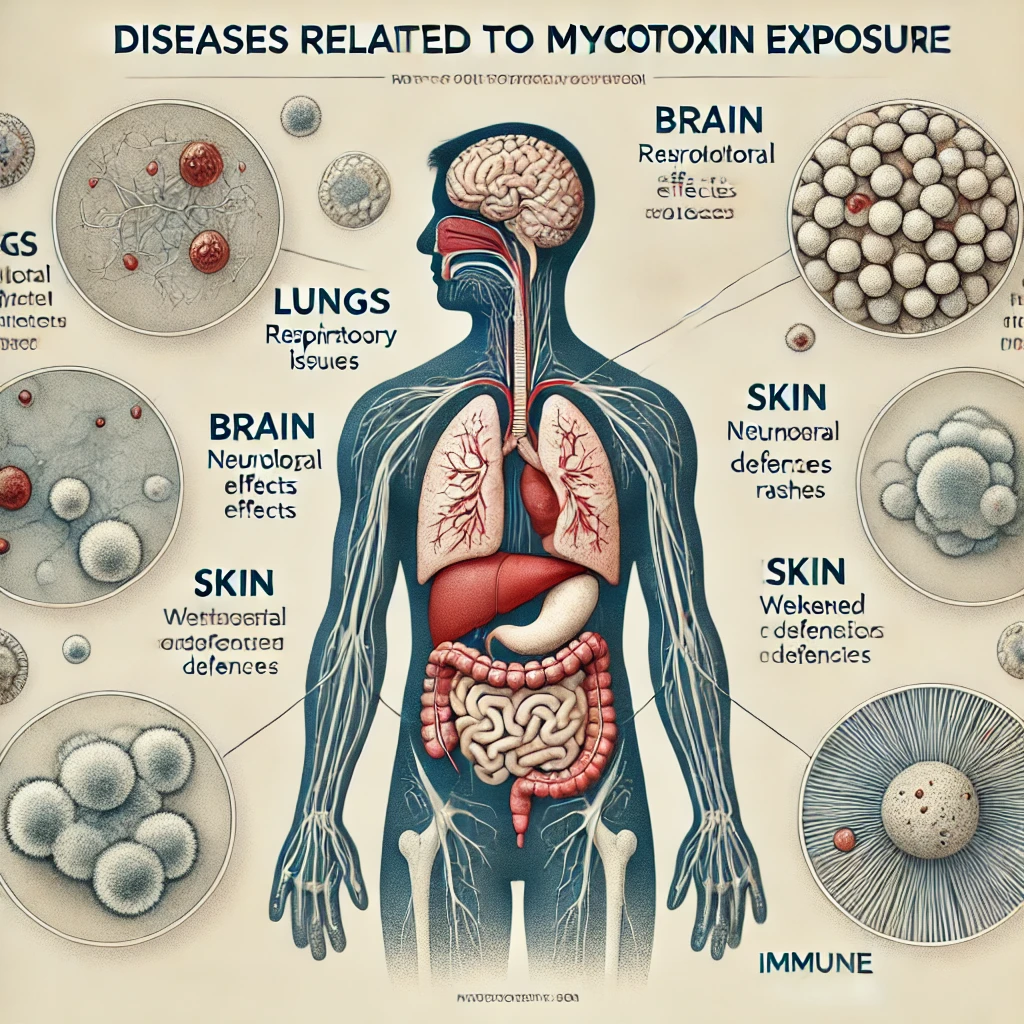
Exposure to airborne mycotoxins can lead to both acute and chronic illnesses. Through our fieldwork, we have encountered individuals with persistent respiratory complaints, fatigue, and systemic inflammation, often traced back to undetected mould contamination.
Mycotoxin | Common Diseases/Conditions |
Aflatoxins | Respiratory inflammation, liver dysfunction |
DON | Respiratory irritation, immune fatigue |
Fumonisins | Chronic lung inflammation, neurological effects |
Early detection and intervention are essential to prevent prolonged health impacts. Learn more about identifying contamination through our mycotoxin detection methods section.
Prevention and Control Strategies
Protecting your indoor environment requires a proactive approach. At The Mould Group, we emphasize the importance of moisture control, regular inspections, and professional remediation when contamination is suspected.
Key Prevention Measures
- Moisture Management: Address leaks and humidity promptly to prevent mould growth.
- Ventilation: Ensure proper airflow, especially in basements and attics.
- Air Filtration: Use HEPA filters to capture airborne spores and toxins.
- Routine Inspections: Schedule professional assessments after flooding or visible mould discovery.
Professional Remediation
When mycotoxin contamination is confirmed, professional removal is essential. The Mould Group employs advanced air sampling, surface testing, and targeted remediation to restore air quality and protect occupant health.
For further information on detection practices, visit our mycotoxin detection methods page.
Airborne Mycotoxins Represent a Silent But Serious Health Risk
Airborne mycotoxins represent a silent but serious health risk. At The Mould Group, we have witnessed the profound impact poor air quality can have on individuals and families. Vigilance in prevention, prompt investigation, and professional remediation are the best safeguards against mycotoxin-related diseases.
Explore our comprehensive resources on mycotoxin symptoms, mycotoxin risk assessment, and mycotoxin detection methods to ensure your indoor environment remains safe.