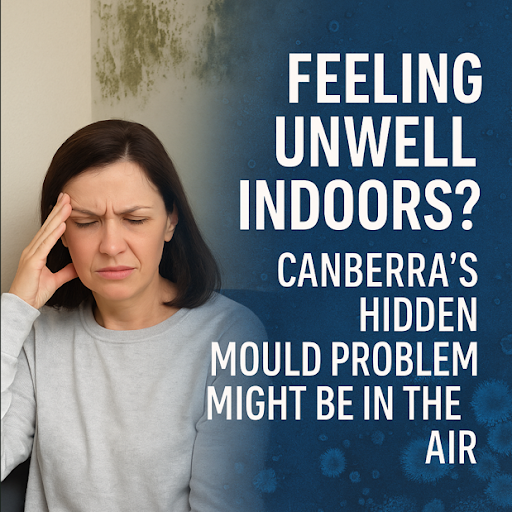
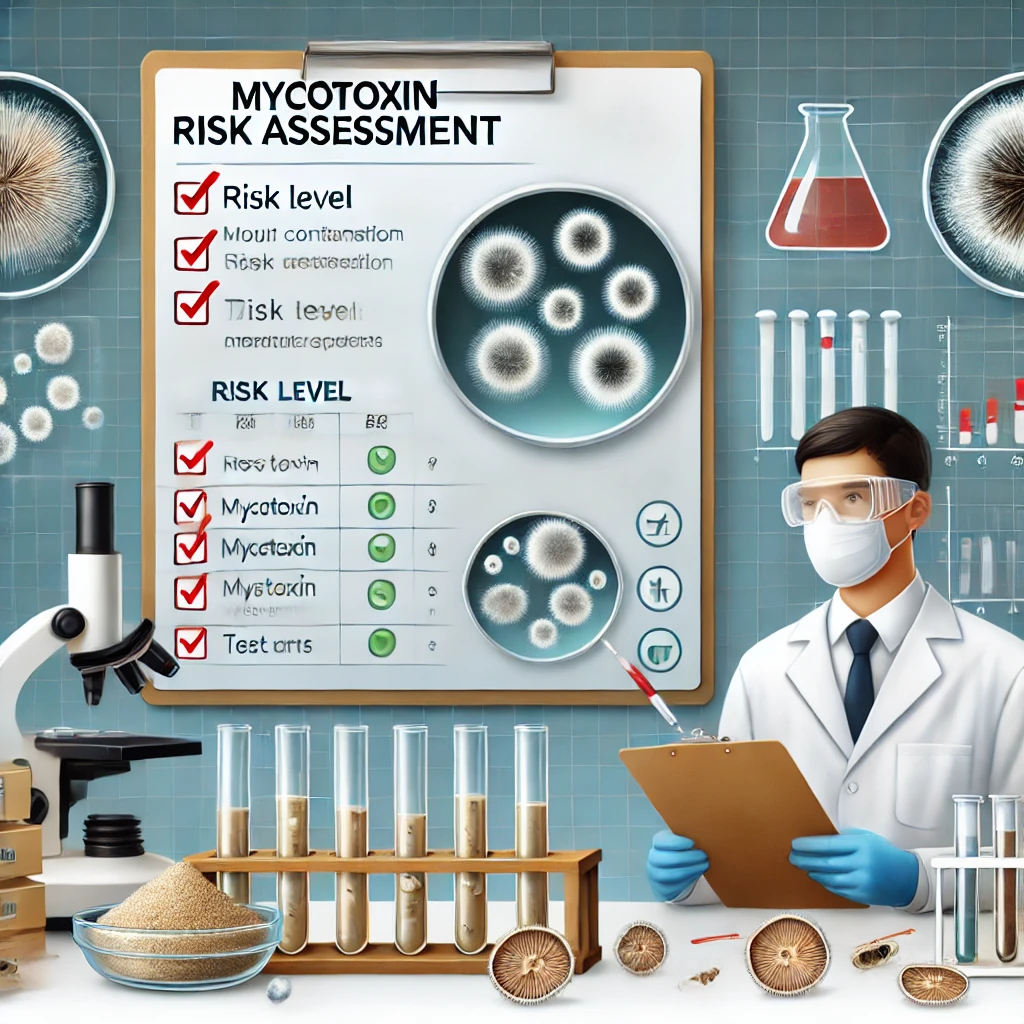
Proactive Approach: Your Personal Airborne Mycotoxin Risk Assessment
Discover your airborne mycotoxin risk assessment. Learn about health effects, air monitoring, and mitigation strategies to protect your indoor environment.
Understanding Airborne Mycotoxins
What are Airborne Mycotoxins?
Airborne mycotoxins are toxic compounds produced by certain moulds that become aerosolized and contaminate indoor air. These particles, often attached to mould spores or dust, can be inhaled, posing serious health risks. At The Mould Group, we specialize in assessing and mitigating airborne mycotoxin exposure in indoor environments. Moulds such as Aspergillus, Penicillium, Fusarium, and Stachybotrys are among the primary culprits.
Recognizing the presence of airborne mycotoxins is critical to safeguarding indoor air quality and overall health.
Common Types of Airborne Mycotoxins
Mycotoxin | Producing Fungi | Primary Health Concerns |
Aflatoxins | Aspergillus | Liver damage, carcinogenic |
Ochratoxin A | Aspergillus, Penicillium | Kidney damage, immune suppression |
Trichothecenes | Stachybotrys, Fusarium | Respiratory issues, immune dysfunction |
Fumonisins | Fusarium | Neurotoxicity, organ damage |
Zearalenone | Fusarium | Hormonal disruption |
Airborne mycotoxins can be released from contaminated building materials, damp areas, or ventilation systems. Once in the air, they can infiltrate lungs and enter the bloodstream.
Health Effects of Airborne Mycotoxins
Aflatoxins and Inhalation Risks
Inhalation of aflatoxins, particularly in moisture-damaged buildings, can lead to respiratory irritation, liver stress, and potential carcinogenic effects over prolonged exposure.
Health Concern | Risk Level |
Respiratory Irritation | Moderate |
Liver Stress | High |
Cancer Risk | High |
Ochratoxins and Respiratory Impacts
Ochratoxin A, often detected in airborne dust, can cause respiratory inflammation, kidney dysfunction, and impair immune defenses.
Health Concern | Risk Level |
Respiratory Inflammation | Moderate |
Kidney Dysfunction | High |
Immune Suppression | Moderate |
Trichothecenes and Toxic Inhalation
Produced by Stachybotrys, these potent toxins can trigger severe respiratory distress, headaches, and immune disruption upon inhalation.
Health Concern | Risk Level |
Respiratory Distress | High |
Headaches | Moderate |
Immune Suppression | High |
Monitoring Airborne Mycotoxins
Importance of Indoor Air Quality Testing
Proactive air quality testing is crucial for identifying mycotoxin contamination, especially in water-damaged or poorly ventilated environments.
Advanced Air Sampling Techniques
Sampling Method | Description | Sensitivity |
Spore Trap Sampling | Captures airborne spores for analysis | Moderate |
Air Impaction Sampling | Collects particles onto culture plates | High |
Filter Sampling | Captures airborne toxins for chemical analysis | Very High |
Combining these techniques provides a comprehensive assessment of airborne mycotoxin exposure.
Regulations and Airborne Mycotoxins
While regulatory limits primarily address mycotoxins in food, airborne exposure standards are emerging. Organizations like WHO and EPA recognize the growing need for airborne mycotoxin guidelines.
Regulatory Considerations
Mycotoxin | Food Limit (ppb) | Airborne Limit (Developing) |
Aflatoxins | 5-20 | Under review |
Ochratoxin A | 5-10 | Under review |
Trichothecenes | Variable | Under review |
Mitigation Strategies for Airborne Mycotoxins
Prevention and Remediation
- Moisture Control: Address leaks and humidity to prevent mould growth.
- Ventilation: Improve airflow to reduce spore concentration.
- HEPA Filtration: Deploy air purifiers to capture spores and toxins.
- Surface Decontamination: Use antimicrobial treatments to eliminate mould sources.
Professional Remediation Services
When contamination is extensive, professional assessment and remediation by experts like The Mould Group ensure safe and effective mycotoxin removal.
Our Final Thoughts
Understanding the risks associated with airborne mycotoxins is essential for safeguarding indoor environments. By implementing rigorous air quality monitoring and adopting proactive mitigation strategies, you can protect your health and that of your loved ones.
For further details, visit our mycotoxin symptoms, mycotoxin detection methods, and mycotoxin awareness sections.