Crucial Knowledge: Mycotoxin Awareness for Well-being
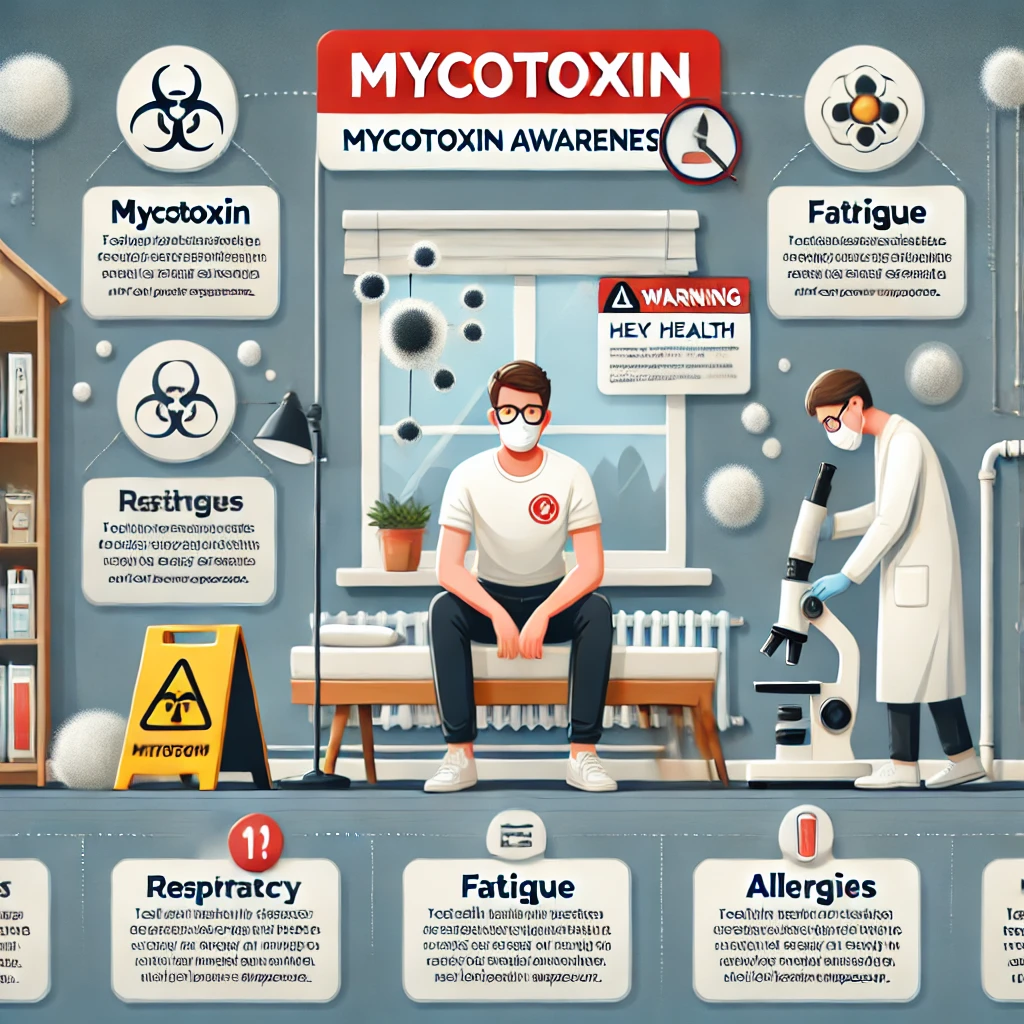
Boost your mycotoxin awareness, understand the health risks, sources of exposure, and effective prevention strategies to safeguard your well-being.
The Hidden Threat of Airborne Mycotoxins
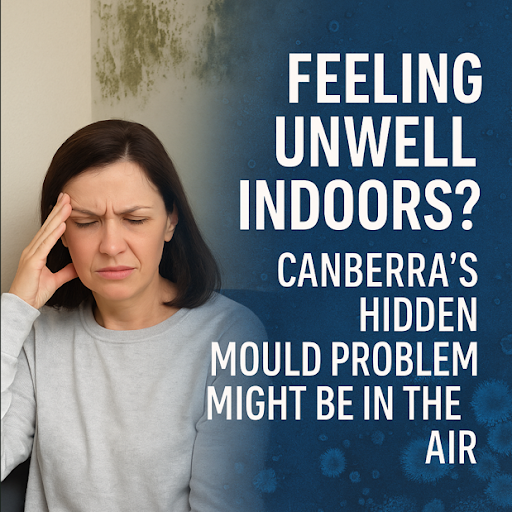
When people think of mould, they often picture spoiled food or damp patches on walls. However, the real danger frequently lies in what we cannot see—airborne mycotoxins. These microscopic toxins, produced by certain mould species, become airborne and infiltrate indoor spaces, posing serious health risks through inhalation. At The Mould Group, our years of expertise have shown us that airborne mycotoxins are often the most insidious and overlooked hazard to indoor air quality.
Key Airborne Mycotoxins to Watch Out For
Certain mycotoxins are more likely to become airborne and lead to respiratory exposure. These are the primary culprits we frequently encounter:
Mycotoxin | Source Mould | Common Environments |
Aflatoxins | Aspergillus flavus, Aspergillus parasiticus | Water-damaged buildings, damp basements |
Ochratoxin A | Aspergillus species, Penicillium species | HVAC systems, poorly ventilated spaces |
Trichothecenes | Stachybotrys, Fusarium | Buildings with severe water damage, hidden wall cavities |
Fumonisins | Fusarium species | Agricultural processing areas, dust contamination |
Zearalenone | Fusarium species | Damp indoor spaces, contaminated building materials |
The Impact of Airborne Mycotoxins on Health
As professionals in air quality assessment and remediation, we have seen the real-world consequences of airborne mycotoxin exposure. When inhaled, these toxins bypass the digestive system and enter directly into the lungs and bloodstream, where they can have profound effects on human health.
Respiratory and Systemic Health Risks
Mycotoxin | Primary Health Concerns |
Aflatoxins | Respiratory irritation, lung stress, potential carcinogenicity |
Ochratoxin A | Respiratory inflammation, kidney stress, immune suppression |
Trichothecenes | Severe respiratory distress, neurological effects, immune dysfunction |
Fumonisins | Lung inflammation, potential neurotoxicity, organ damage |
Zearalenone | Hormonal disruption, long-term systemic effects |
Even low-level exposure over time can contribute to chronic respiratory conditions, fatigue, and immune suppression. In our work, we have observed that individuals exposed to airborne mycotoxins often struggle with persistent health issues without realizing the source lies in their environment.
How Airborne Mycotoxins Enter Your Environment
Understanding how mycotoxins become airborne is key to reducing your risk. In our experience, the most common scenarios include:
- Damp Building Materials: Mould growth in drywall, insulation, and ceiling tiles can release mycotoxins into the air.
- HVAC Systems: Contaminated air ducts can distribute mycotoxins throughout entire buildings.
- Dust and Debris: Mycotoxins often bind to dust particles, increasing exposure through routine household activities.
- Poor Ventilation: Stagnant air exacerbates mould proliferation, concentrating airborne toxins indoors.
Detecting Airborne Mycotoxins
Early detection is crucial, especially when symptoms persist without an identifiable cause. At The Mould Group, we employ advanced air sampling and analytical methods to detect these invisible threats.
Air Sampling and Analytical Techniques
Method | Description | Sensitivity |
Spore Trap Sampling | Captures airborne mould spores for analysis | Moderate |
Impaction Sampling | Collects particles on agar plates | High |
Filter-Based Air Sampling | Captures fine particles containing mycotoxins | Very High |
HPLC and Mass Spectrometry | Chemical analysis of airborne samples | Extremely High |
Combining multiple sampling methods ensures a comprehensive assessment, helping us pinpoint the source and concentration of airborne mycotoxins.
Regulations and the Growing Concern
While global regulations largely focus on mycotoxins in food, awareness of airborne exposure is rising. Regulatory bodies like WHO and health agencies increasingly recognize the need to address indoor air contamination, though formal airborne limits remain under development.
Regulatory Overview
Mycotoxin | Food Limit (ppb) | Airborne Limit (Emerging Research) |
Aflatoxins | 5-20 | Under Review |
Ochratoxin A | 5-10 | Under Review |
Trichothecenes | Varies | Under Review |
Practical Steps for Reducing Airborne Mycotoxin Exposure
Prevention Strategies
- Moisture Control: Address leaks and humidity promptly. Damp environments fuel mould growth.
- Ventilation: Ensure proper airflow in all rooms. Fresh air dilutes airborne contaminants.
- HVAC Maintenance: Regular cleaning and filter replacement prevent mycotoxin circulation.
- Dust Management: Frequent vacuuming with HEPA filters reduces particle-bound toxins.
Professional Remediation
When contamination is extensive, professional assessment and remediation are vital. At The Mould Group, we prioritize air quality diagnostics and tailored remediation plans to ensure lasting safety.
Our Final Thoughts
Airborne mycotoxins represent an often-unseen but dangerous threat to indoor environments. Through our decades of field experience, we at The Mould Group have learned that vigilance is key. Monitoring air quality, addressing moisture issues, and seeking professional support when needed can protect both health and property.
For additional information, explore our resources on mycotoxin symptoms, mycotoxin detection methods, and mycotoxin related diseases..