Are Airborne Aflatoxins Putting Your Health at Risk? Here’s What You Need to Know
Introduction
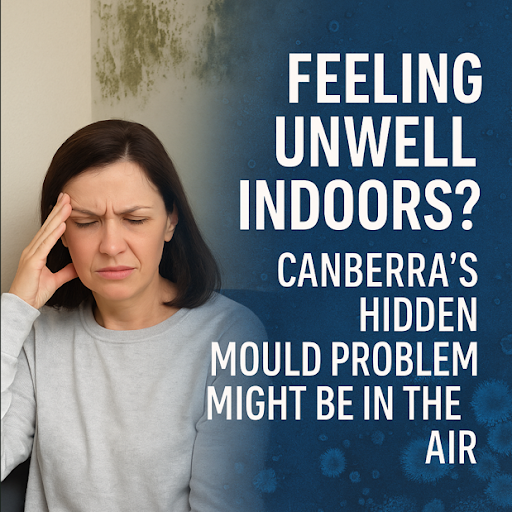
Mould is a common yet underestimated problem in homes and commercial spaces across Australia. It thrives in damp, dark environments—and in some cases, it can release harmful substances into the air.
One of the most dangerous of these substances is aflatoxins—naturally occurring toxins produced by certain moulds. When airborne, they pose a serious health risk to anyone exposed.
That’s why mould inspections are essential. Disturbing mould-affected areas during cleaning or renovations can unknowingly release these toxins.
The Mould Group is Brisbane’s trusted name in identifying, testing, and safely removing airborne mould contaminants, including aflatoxins.
What Are Airborne Aflatoxins and Why Do They Matter?
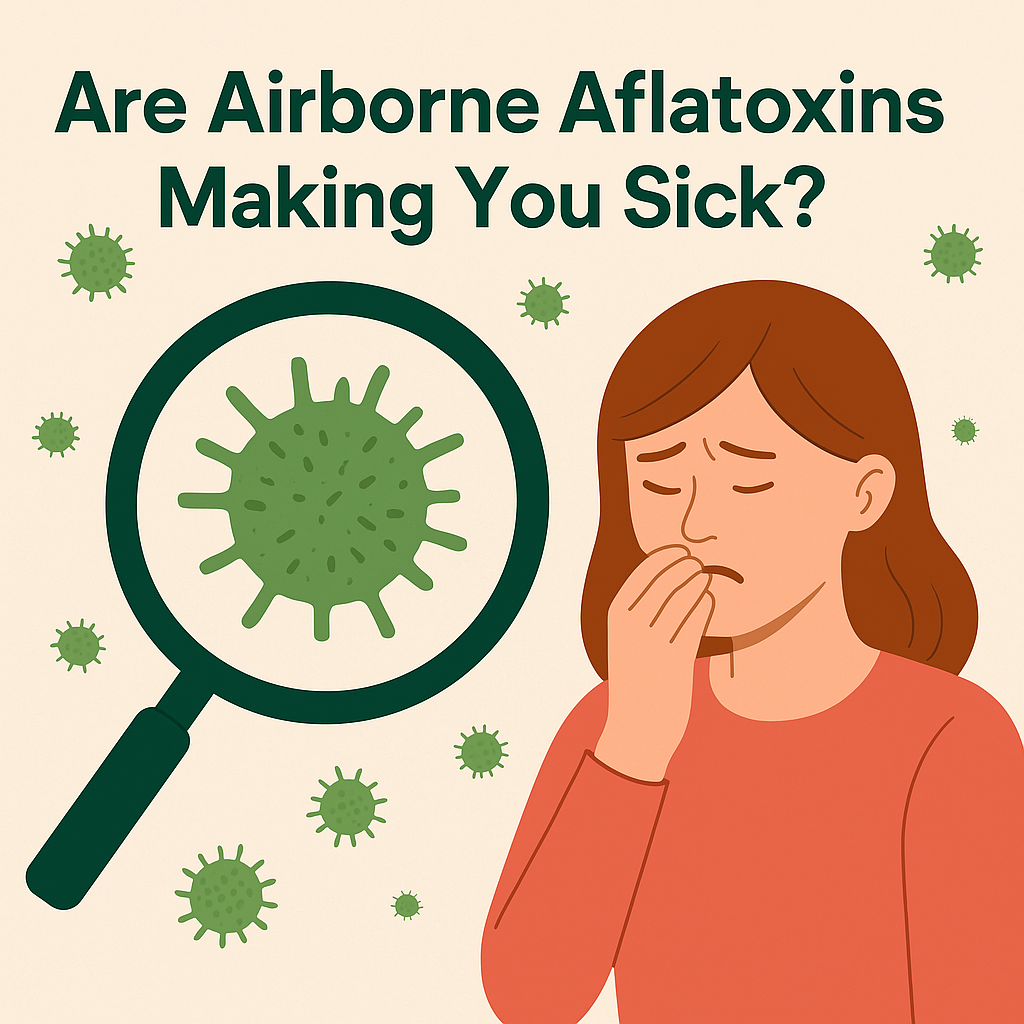
Airborne aflatoxins are toxic by-products produced by certain moulds, such as Aspergillus flavus and Aspergillus parasiticus.
These moulds grow on damp organic material—especially in poorly ventilated areas. Once the colony matures, tiny spores containing aflatoxins can become airborne.
Inhaling these airborne particles may lead to health issues, especially in sensitive individuals. That’s why understanding and managing them is so important.
How Can Airborne Aflatoxins Affect Your Health?
Breathing in airborne aflatoxins can trigger a range of symptoms—from mild respiratory discomfort to more serious, long-term conditions.
Liver damage is a key concern. Aflatoxins are classified as carcinogenic, which means they can cause liver cancer over time. Other issues include immune suppression and chronic respiratory irritation.
People with asthma, allergies, or existing health problems are especially at risk.
What Causes Mould to Release Aflatoxins into the Air?
Mould releases aflatoxins into the air when conditions are right for its growth—usually when there’s moisture, warmth, and a food source like timber or organic debris.
In cool rooms, basements, or areas with water damage, mould spores can develop rapidly. As they grow, they produce mycotoxins, which can become airborne when disturbed.
Poor ventilation, leaks, and high humidity make this problem worse—especially in properties that haven’t had recent mould inspections.
How Can You Test for Airborne Aflatoxins in Your Home?
Testing for airborne aflatoxins requires more than just a visual check. Professional mould inspectors use specialised tools to measure air quality and detect mycotoxins.
At The Mould Group, we use spore traps, moisture meters, and laboratory testing to identify the presence of dangerous airborne moulds.
This is especially important in commercial environments like cool room cleaning operations in Sydney, where mould can quickly impact both safety and compliance.
What Are the Best Ways to Remove Airborne Aflatoxins?
The safest and most effective way to remove airborne aflatoxins is through professional remediation.
This involves isolating the affected area, using HEPA filtration systems, and removing contaminated materials. Antifungal treatments may also be applied.
DIY cleaning methods are not recommended—they may disturb the spores and release more toxins into the air.
Trust The Mould Group for safe, expert mould removal services across Brisbane.
How Can You Prevent Mycotoxin Contamination?
Prevention is all about moisture control. Start by fixing leaks, sealing windows, and improving ventilation.
Use dehumidifiers in damp areas and ensure regular maintenance of air conditioning units. Avoid storing organic materials in wet or poorly ventilated areas.
Businesses, especially those in food storage or hospitality, should implement routine cool room inspections and cleaning schedules.
Who Is Most at Risk from Airborne Aflatoxins?
Certain groups are more vulnerable to the effects of airborne aflatoxins:
Children and the elderly – due to weaker immune systems.
People with asthma or respiratory issues – mould can trigger severe symptoms.
Renovators and tradespeople – likely to disturb mould colonies during work.
Business owners in food storage or hospitality – where mould can affect safety and reputation.
If you fall into one of these groups, regular inspections are essential.
Ready to Act?
If you suspect mould or airborne aflatoxins in your home or workplace, don’t wait. Contact The Mould Group today for expert testing and remediation.
Stay informed and connected—visit our Facebook Page for updates, safety tips, and customer stories.
📝 Next blog in this series:
Inhalation Risks: How Breathing in Aflatoxins Affects Health